As more people embrace plant-forward lifestyles, plant-meat protein alternatives are transforming the way we get our protein. Packed with high-quality protein and essential amino acids, options like tempeh, tofu, seitan, and pea-based burgers provide a delicious, versatile, and sustainable way to meet your protein needs without relying on animal products. Whether you’re building muscle, managing weight, or simply looking for healthier protein choices, these plant-based alternatives deliver the nutrition and taste your body craves.

If your goal is to add lean muscle mass, you need plant-based proteins that are high in calories and protein. Options like seitan, tempeh, and Beyond Meat burgers are excellent because they deliver a concentrated dose of protein while also providing energy from healthy fats and carbs. Pair these with whole grains, legumes, and plant-based oils to maximize your caloric intake and support muscle growth. Incorporating a variety of these alternatives ensures you get all the essential amino acids needed for building new muscle tissue.
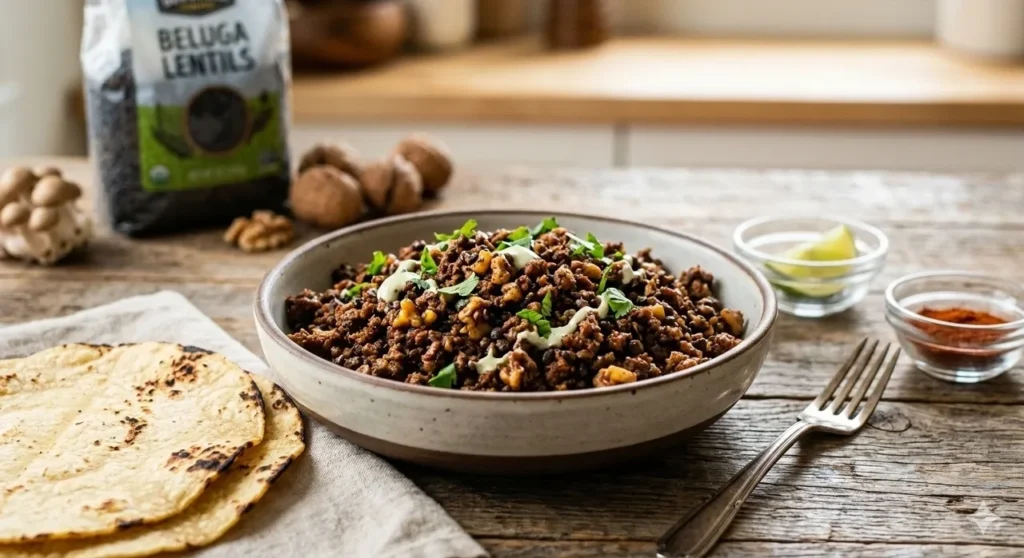
For fat loss, the focus shifts to high-protein, lower-calorie options that keep you full without excess energy intake. Tofu, TVP, black bean burgers, and lentil patties are perfect for cutting because they provide sufficient protein to preserve muscle while remaining low in fat and calories. Combining these with fresh vegetables and leafy greens helps maintain satiety, making it easier to stick to your calorie goals while still meeting your protein needs.
A plant-based keto approach requires high-fat, low-carb protein alternatives. Tempeh, seitan, and certain processed plant-based meats like Beyond Meat or Field Roast sausages fit well because they are high in protein and moderate in fats, while keeping carbohydrates minimal. Pairing these with nuts, seeds, and avocado ensures you meet your fat requirements without disrupting ketosis, while still supporting muscle maintenance and overall energy.
For overall fitness and strength, aim for plant-based proteins that maximize protein intake per serving. Seitan, tempeh, TVP, and mycoprotein-based products like Quorn provide substantial protein that can support muscle repair, exercise recovery, and general health. Rotating between different types of plant-meat alternatives ensures a complete amino acid profile, which is essential for anyone looking to maintain or improve lean muscle mass.
For heart-conscious diets, focus on plant-meat alternatives that are low in saturated fat and rich in fiber. Lentil patties, chickpea burgers, black bean burgers, tofu, and jackfruit are ideal choices because they provide protein without the saturated fat found in many animal sources. Incorporating these with plenty of vegetables, whole grains, and healthy fats from nuts and seeds supports cardiovascular health while still meeting your protein requirements.
Most plant-based meats are made from soy, pea protein, wheat gluten, or mycoprotein, which provide high-quality protein. Soy and pea proteins are particularly rich in essential amino acids. While some plant proteins may lack certain amino acids, most processed plant-meat alternatives are formulated to be complete proteins, making them comparable to animal protein sources.
Protein content varies by product, but many plant-based alternatives, like seitan (25g/100g) or Beyond Meat burger (20g/100g), provide protein levels similar to beef or chicken. Some alternatives may have slightly less protein per serving, but consuming adequate portions or combining them with legumes and grains ensures comparable intake.
Yes. Studies show that high-quality plant proteins can stimulate muscle protein synthesis when consumed in sufficient amounts. Products like tempeh, seitan, TVP, and pea protein-based burgers provide enough amino acids to support muscle growth, especially when paired with resistance training.
Many plant-meat alternatives are lower in saturated fat and free of cholesterol compared to red meat. Using options like tofu, lentil patties, and black bean burgers can help reduce LDL cholesterol and support cardiovascular health. Always check sodium levels, as some processed options may be high in salt.
Some single-source plant proteins may lack one or two amino acids, but most commercial plant-based meats are blended (e.g., soy, pea, and grains) to provide all nine essential amino acids, making them complete proteins suitable for daily dietary needs.
Protein content varies by brand and type:
Many plant-based alternatives are moderate in calories and fat, but this depends on the product. For example, tempeh and seitan are lower in fat than beef, while Beyond Meat and Impossible products may have similar fat content. They are often cholesterol-free, which is beneficial for overall health.
Yes, some options fit well into low-carb or ketogenic diets. Seitan and certain pea-protein products are high in protein with low carbs. Avoid products with added grains or fillers that increase carbohydrate content. Pairing with high-fat foods like avocado, nuts, or coconut oil helps meet keto macronutrient goals.
Consider your macro needs: higher-protein options for muscle gain, lower-calorie options for fat loss, and low-carb options for keto. Mixing types, soy, pea, nuts, and seeds, can also help balance protein quality and micronutrients.
Many processed plant-based meats contain added sodium, flavorings, or preservatives to improve taste and shelf life. Always check nutrition labels. Choosing minimally processed options like tempeh, tofu, or homemade patties reduces sodium intake while still providing high protein.